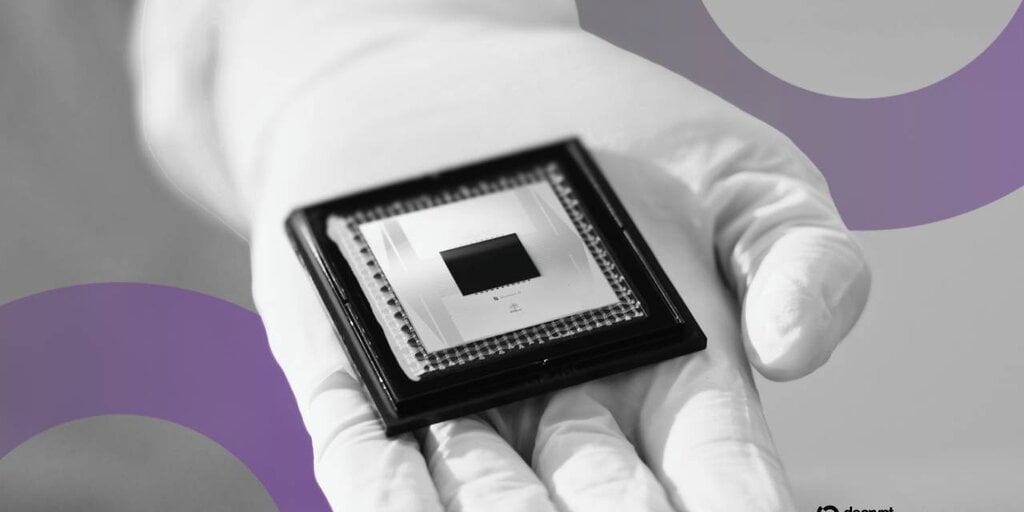
Apple introduced its most significant assistant overhaul since 2011, launching Siri AI alongside the A20 Pro chip during CEO John Ternus’s first keynote. The new Siri runs on Google Gemini technology under a deal reportedly worth about $1 billion annually but will not function in the European Union at launch. The A20 Pro is Apple’s first chip built on TSMC’s 2-nanometer process, featuring a dual Neural Engine with 32 cores to support on-device intelligence.
The hardware lineup includes the iPhone 18 Pro and Pro Max, which retain previous screen sizes but gain performance improvements of up to 20% for the CPU and 40% for the GPU. Apple also unveiled its first foldable device, the iPhone Duo, starting at $1,999 for 256GB storage and reaching nearly $3,000 for the 2TB model. This device features a 7.8-inch inner display, supports the Apple Pencil, and uses Touch ID instead of Face ID. iOS 27 arrives September 14, though full Siri AI capabilities are restricted to the iPhone 15 Pro and newer models.
This release marks a strategic pivot for Apple, balancing aggressive AI integration with distinct regional compliance constraints. By leveraging Google’s Gemini infrastructure for Siri AI while simultaneously debuting proprietary 2-nanometer silicon, Apple aims to accelerate institutional adoption of its ecosystem without relying solely on cloud processing. However, the exclusion of EU users from the initial Siri AI rollout highlights ongoing regulatory friction, suggesting that market structure differences will continue to fragment feature availability across global jurisdictions.
The introduction of the iPhone Duo at a premium price point signals Apple’s intent to capture high-margin segments through form-factor innovation rather than volume growth. With the foldable device delayed until October and limited to specific regions for key software features, operational risk remains elevated regarding supply chain coordination and consumer acceptance. Stakeholders should monitor how quickly Apple resolves the EU compatibility issues and whether the $1,999 entry price sustains demand against established competitors in the emerging foldable smartphone category.