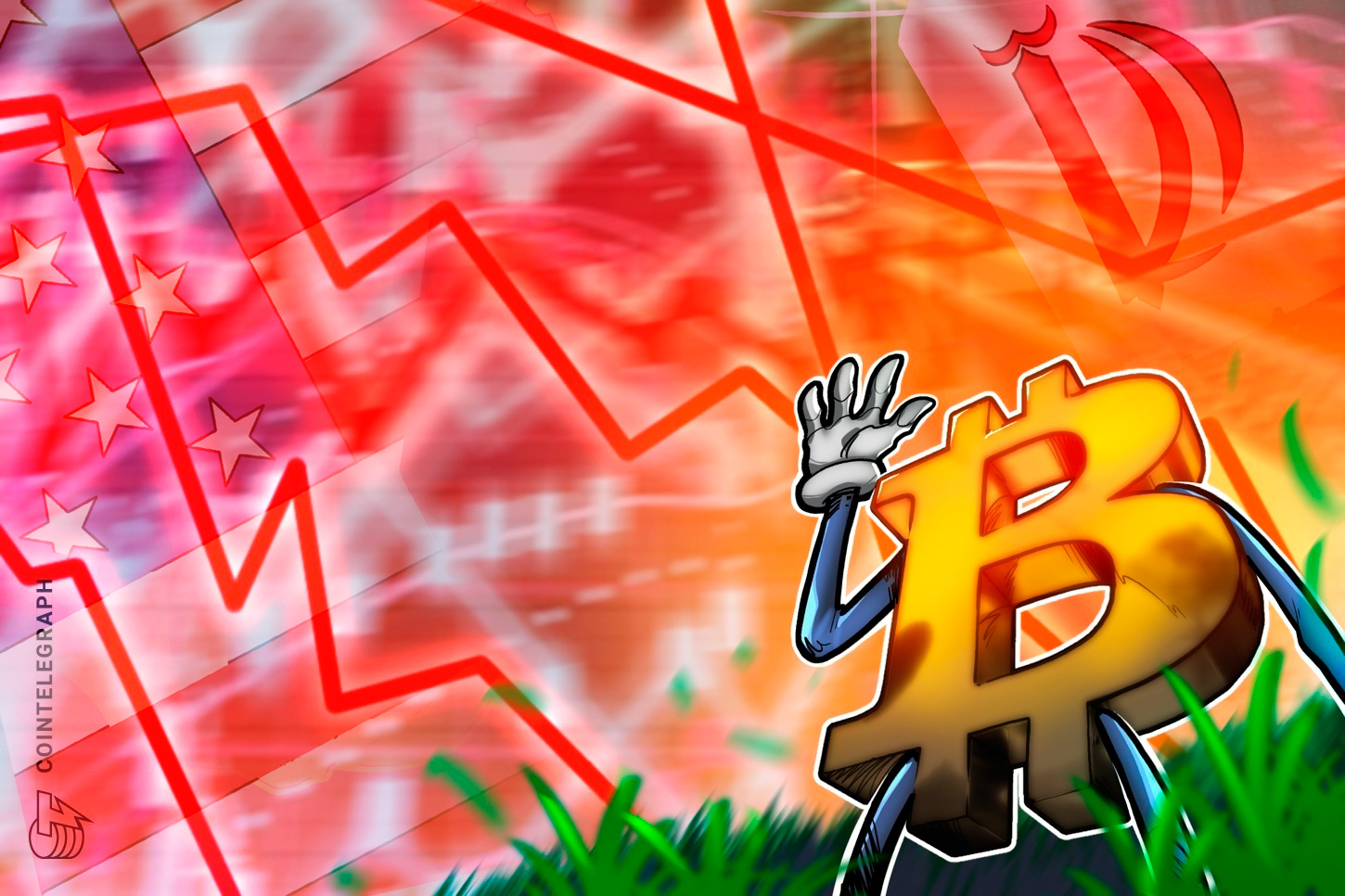
Bitcoin’s price declined to $81,203, having dropped as low as $80,922 on Thursday morning in New York, marking a near 3% loss over the past day and a 4% decrease over seven days. The sell-off coincided with a surge in Brent crude prices following renewed attacks on tankers in the Strait of Hormuz and U.S. President Trump’s comments that negotiations with Iran were not progressing as desired. Federal Reserve Governor Christopher Waller stated in a speech that additional interest-rate hikes are likely necessary to curb inflation, though he noted flexibility regarding the pace of increases. This hawkish stance contrasts with September, when Bitcoin rallied toward $90,000 despite previous rate hikes under new Fed Chair Kevin Warsh. Currently, the asset remains more than 30% below its record high of $126,080, having spent most of 2026 in a bear market after peaking in October 2025.
The correlation between rising oil prices and falling crypto valuations underscores the sensitivity of risk-on assets to monetary policy expectations. Higher energy costs contribute to sticky global inflation, which pressures the Federal Reserve to maintain or increase interest rates. Since Bitcoin has historically benefited from low-rate environments due to increased liquidity, the prospect of further hikes directly undermines the macroeconomic tailwinds that supported its recent September rally.
Despite the short-term dip, some analysts suggest the asset may have re-entered a bull market, indicating divergent views on whether current volatility represents a structural shift or a temporary correction. Investors should monitor the interplay between geopolitical tensions in the Middle East and Fed communication, as sustained high oil prices could prolong restrictive monetary conditions. The gap between the current price and the $126,080 record highlights significant downside potential if inflation proves persistent, challenging the narrative of immediate recovery.