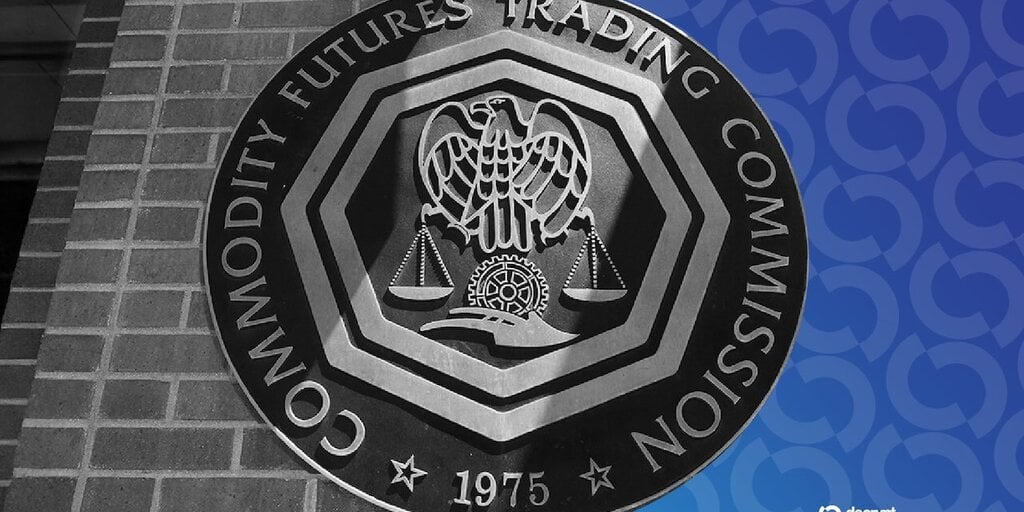
Blockchain.com has reportedly applied to the US Commodity Futures Trading Commission (CFTC) for approval to launch prediction market offerings and crypto derivatives. According to CNBC, the exchange filed for two specific licenses: a designated contract market (DCM) license to operate as a futures exchange for event contracts, and a futures commission merchant (FCM) license to act as a broker for derivatives contracts. These approvals would enable Blockchain.com to serve both US-based retail and institutional investors.
This regulatory move follows a July announcement where Blockchain.com planned to partner with Polymarket for prediction markets integration within its app. If the CFTC grants the licenses, the company could operate its own marketplace for event contracts rather than relying solely on partnerships. The application occurs amid ongoing legal tests regarding oversight of platforms like Kalshi and Polymarket, with state authorities pursuing lawsuits over alleged violations of sports and election betting laws. Additionally, Blockchain.com is reportedly considering an initial public offering with a valuation of up to $6 billion, aiming to raise $500 million.
The pursuit of DCM and FCM licenses signals a strategic shift from partnership-dependent models to direct regulatory compliance for core product lines. By seeking authorization to operate its own event contract marketplace, Blockchain.com aims to capture greater control over user experience and revenue streams while navigating the complex jurisdictional disputes between federal regulators and state authorities. This approach relies on the CFTC’s assertion of exclusive jurisdiction over prediction markets, a stance currently being tested in courts through cases involving competitors like Kalshi.
Institutional adoption of these products hinges on the clarity provided by the CFTC’s rulemaking efforts, which Chair Michael Selig has emphasized are designed to prevent theft of customer funds similar to the FTX collapse. However, the agency’s operational capacity remains constrained, as Selig serves as the sole commissioner with four seats unfilled. For Blockchain.com, securing these licenses amidst potential IPO ambitions requires demonstrating robust custody and infrastructure standards that align with the proposed safeguards for crypto spot markets, thereby reducing regulatory risk for prospective public investors.