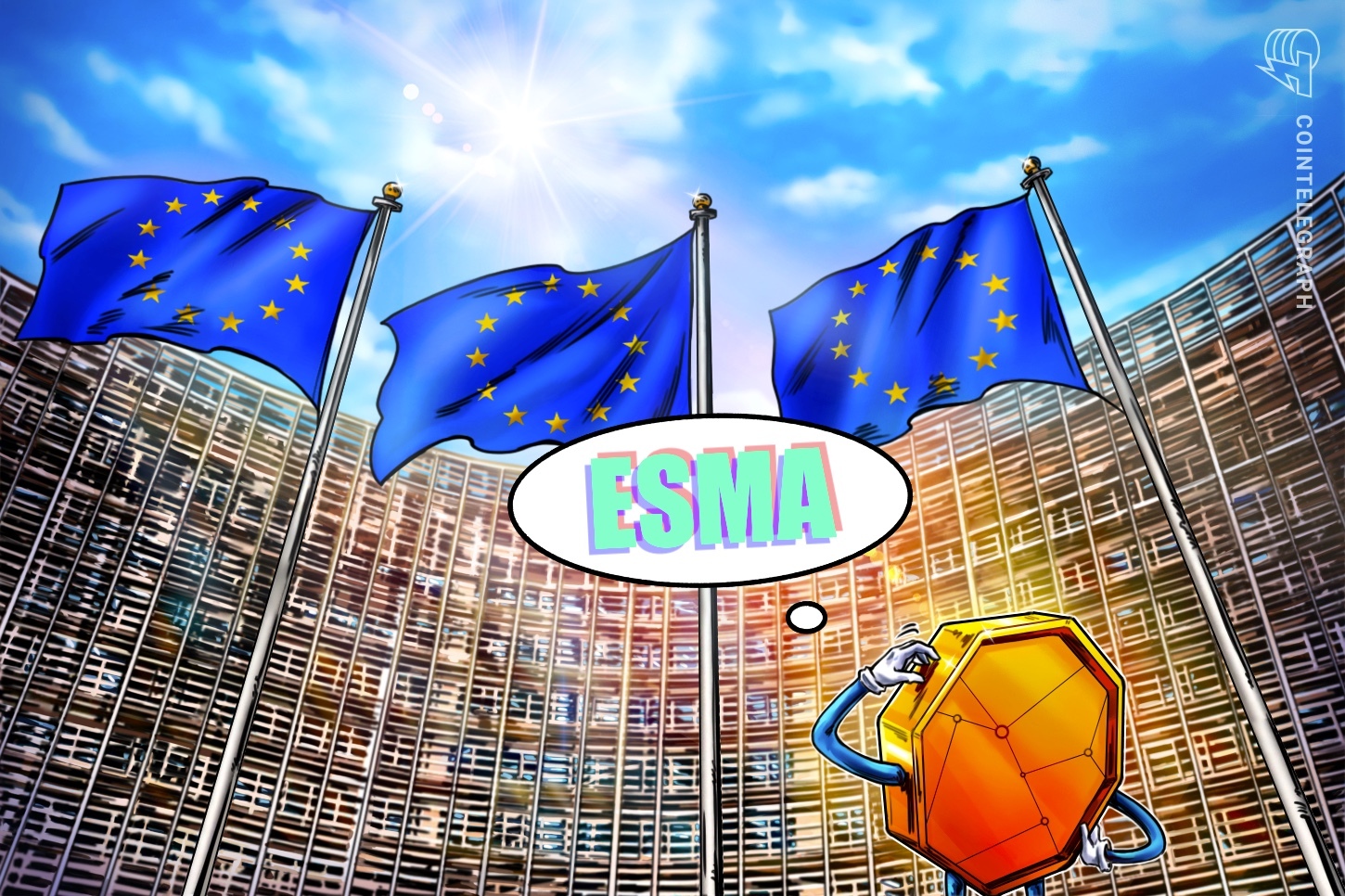
The European Securities and Markets Authority (ESMA) announced that it will designate artificial intelligence and tokenization as the initial focus of a new supervisory priority on digital innovation, effective from 2027. This initiative is classified as a Union Strategic Supervisory Priority (USSP), a mechanism ESMA uses to coordinate national regulators’ efforts on cross-border risks requiring attention across the bloc.
Under this framework, supervisors will identify emerging tokenization activities and document how firms utilize or plan to use AI and tokenization in products and processes affecting investors. The authority plans to conduct initial checks on a subset of the most affected firms. ESMA’s factsheet highlights specific risks to monitor, including biased or misleading AI outputs, complex products that investors may struggle to understand, and reliance on a limited number of third-party providers. Additionally, supervisors will examine investor communications regarding these technologies and share examples of innovations that improve outcomes and reduce bias. This new priority will operate alongside an existing USSP on cyber and operational resilience launched in 2025, while a separate priority on environmental, social, and governance disclosures concludes this year.
By establishing a dedicated supervisory track for AI and tokenization, ESMA signals a shift from reactive oversight to proactive structural monitoring of emerging financial technologies. The decision to mandate documentation of firm usage and conduct targeted checks indicates a regulatory intent to map the supply chain of these innovations before they become systemic. This approach aims to build common expertise among national authorities, reducing fragmentation in how member states interpret and enforce rules on decentralized finance tools and algorithmic trading systems.
The explicit identification of third-party provider concentration as a risk factor underscores concerns about operational fragility within the EU’s financial infrastructure. As firms increasingly integrate tokenized assets and AI-driven services, the potential for single points of failure grows. Regulators are likely preparing for scenarios where technical dependencies could amplify market stress, necessitating stricter due diligence on vendor relationships and clearer disclosure standards for retail investors navigating complex digital products.