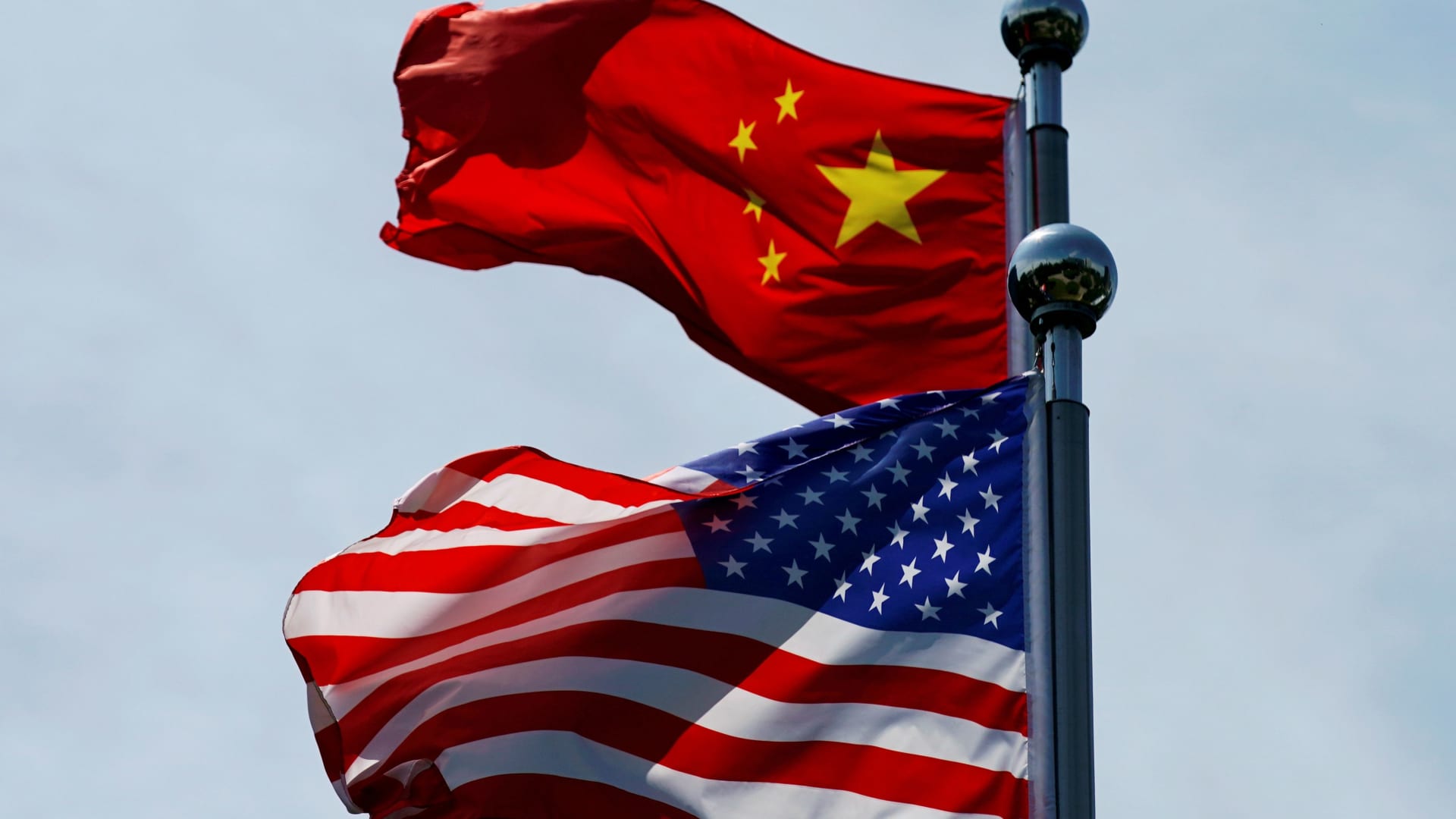
President Donald Trump hosted Chinese President Xi Jinping in Washington, D.C., for a state visit that concluded with few breakthroughs despite significant diplomatic spectacle. The two leaders agreed to extend their trade truce by two months, shorter than anticipated, and formalized plans for an AI dialogue within the next two months alongside a communication channel for AI incidents. Both nations also signaled intentions to attend upcoming APEC and G20 summits and referenced historical WWII cooperation, particularly regarding Japan.
On economic matters, the U.S. and China agreed to reduce tariffs on $30 billion worth of goods and established working groups for agricultural trade, with talks scheduled to begin before the end of 2026. China’s Commerce Ministry confirmed these measures would include coal imports from the U.S., specifying at least 10 million metric tons annually per the U.S. readout. However, analysts noted the issuance of separate rather than joint statements indicates ongoing strategic friction, while Taiwan was discussed but omitted from official readouts, suggesting no progress on that sensitive issue.
The decision to issue separate statements rather than a joint communiqué underscores the persistent structural tensions between Washington and Beijing, even as they manage immediate economic disputes through temporary truces. This diplomatic format signals that neither side is willing to concede narrative control or acknowledge a comprehensive resolution to underlying strategic rivalries. The limited scope of deliverables, such as the tentative nature of rare earths and investment frameworks, suggests that current engagement is focused on crisis management and preventing escalation rather than building long-term institutional trust or deepening integration.
Market participants should monitor the implementation timeline of the agreed-upon tariff reductions and the establishment of the AI communication channels, as these are critical indicators of whether the fragile detente can hold beyond the two-month window. The omission of Taiwan from official readouts highlights that this core geopolitical flashpoint remains unresolved, posing a continuous risk to bilateral stability. Furthermore, the specific inclusion of coal import volumes provides a tangible metric for assessing compliance, but the broader lack of concrete mechanisms for dispute resolution leaves significant operational and regulatory uncertainty for multinational corporations operating across both jurisdictions.