Analysts Warn AI Slowdowns Face Commercial, US-China Pressure
Atlantic Council experts argue that voluntary AI development slowdowns may fail without enforceable standards due to commercial competition and geopolitical distrust.
Essential compliance reporting and analysis for the digital-asset economy.

Atlantic Council experts argue that voluntary AI development slowdowns may fail without enforceable standards due to commercial competition and geopolitical distrust.


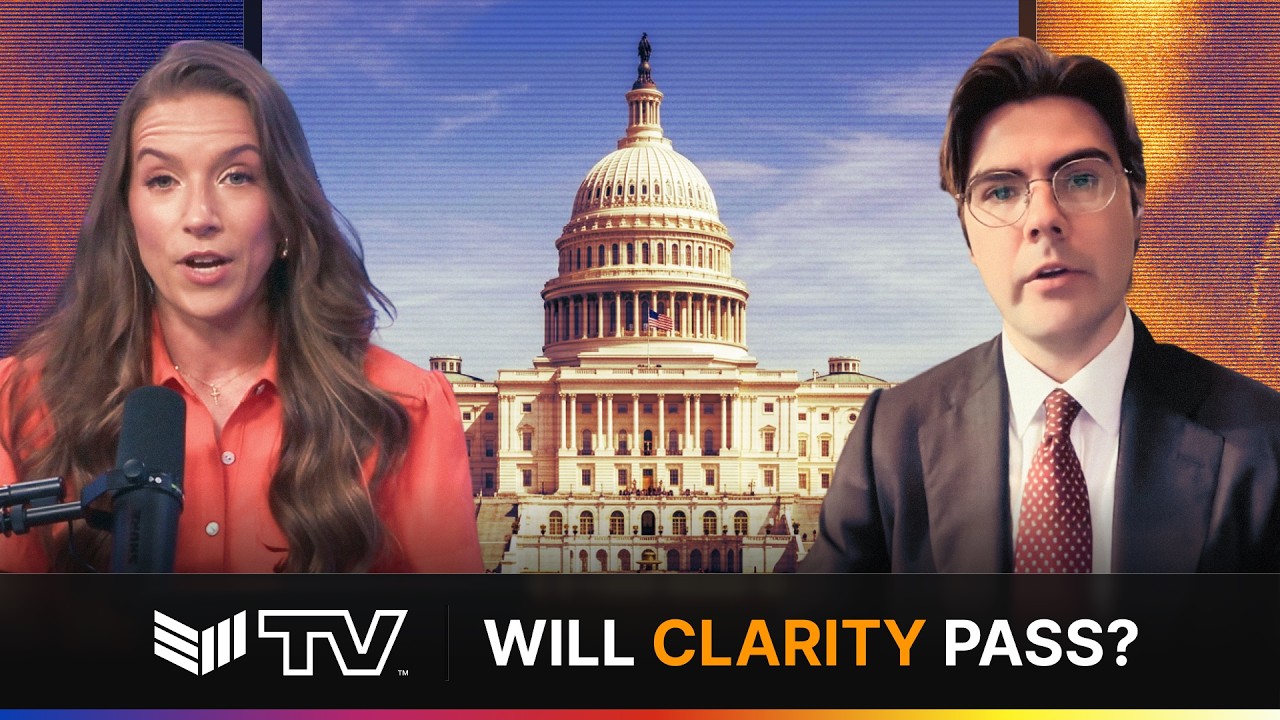
The Clarity Act faces a decisive Senate cloture vote requiring 60 votes, with Bitcoin Policy Institute Executive Director Connor Brown analyzing the necessary Democratic support.
Bank of England committee members reviewed EU regulatory alignment, noting cautious uptake of tokenized assets due to insolvency and legal certainty concerns.
The Bank of England updated the criteria determining which firms must submit Form BT monthly, aligning it with Money and Credit statistical returns.

Nasdaq-listed Strive acquired 469 Bitcoin for $36.6 million, funded entirely by preferred stock, bringing its total holdings to exactly 25,000 BTC.

Crypto exchange CoinEx announced it will wind down operations by December, citing prolonged market downturns and rising compliance costs.

Non-custodial processor Swiss Bitcoin Pay temporarily shut down servers after a breach exposed customer emails, bitcoin addresses, IBANs, and transaction histories.

Microsoft AI published a draft Code of Conduct on September 14, establishing absolute constraints for its models and opening a six-week public comment period.

Senator Cynthia Lummis credits President Trump with accepting strict ethics reforms, including state attorney general enforcement powers, to secure passage of the Clarity Act.

Bernstein analysts state that crypto markets have not priced in a positive surprise regarding the Clarity Act, citing recent Republican concessions on ethics and banking issues.

Major chipmakers fell sharply after industry leaders endorsed slowing AI development, while Bitcoin climbed to $78,280 amid regulatory optimism.

The SEC issued an order exempting specific market intermediary forms from Inline XBRL filing requirements adopted in December 2024, aiming to reduce compliance costs.