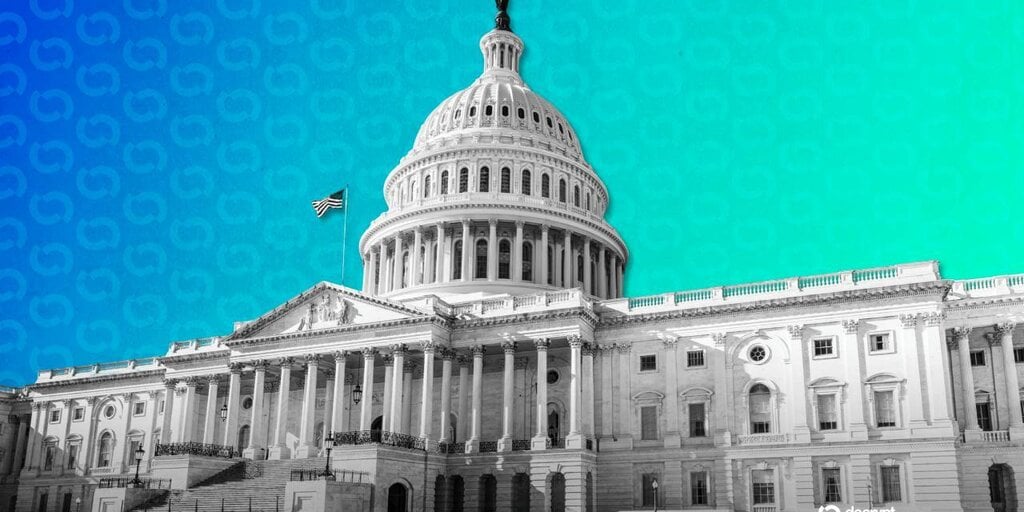
John Deaton, appearing with Grace Remington and Sean Hagan, analyzes the immediate significance of the Senate's cloture vote on the Clarity Act. He clarifies that this procedural step is not a final passage decision but rather a determination of whether legislators are permitted to formally debate the bill. Deaton emphasizes that securing the necessary votes for cloture is the primary hurdle, as it dictates the legislative timeline for digital asset regulation.
The discussion highlights the specific arithmetic required for success: while there are fifty-three Republican senators, Deaton notes this number alone is insufficient. The process demands support from eight to ten Democratic senators to reach the threshold for debate. He also addresses the positions of specific lawmakers, including Josh Hawley and Rand Paul, and warns that continued congressional stalling could negatively impact American digital asset companies operating under outdated regulatory frameworks.
The focus on the cloture vote underscores a critical bottleneck in U.S. crypto policy: the gap between political intent and procedural execution. By framing the vote as a gatekeeper for debate rather than a final approval, the analysis reveals how legislative mechanics can delay substantive regulatory reform. This distinction is vital for market participants who may misinterpret procedural hurdles as definitive policy rejections or approvals, leading to miscalibrated expectations regarding the speed of legal clarity.
From an institutional perspective, the reliance on bipartisan cooperation—specifically the need for eight to ten Democrats—signals that future regulatory frameworks will likely require broad consensus rather than partisan mandates. This dynamic suggests that any resulting legislation may be more durable but slower to enact. Stakeholders should monitor the alignment of key swing voters like Hawley and Paul, as their stance often indicates the feasibility of bridging the ideological divide necessary to modernize statutes that currently lag behind technological adoption.