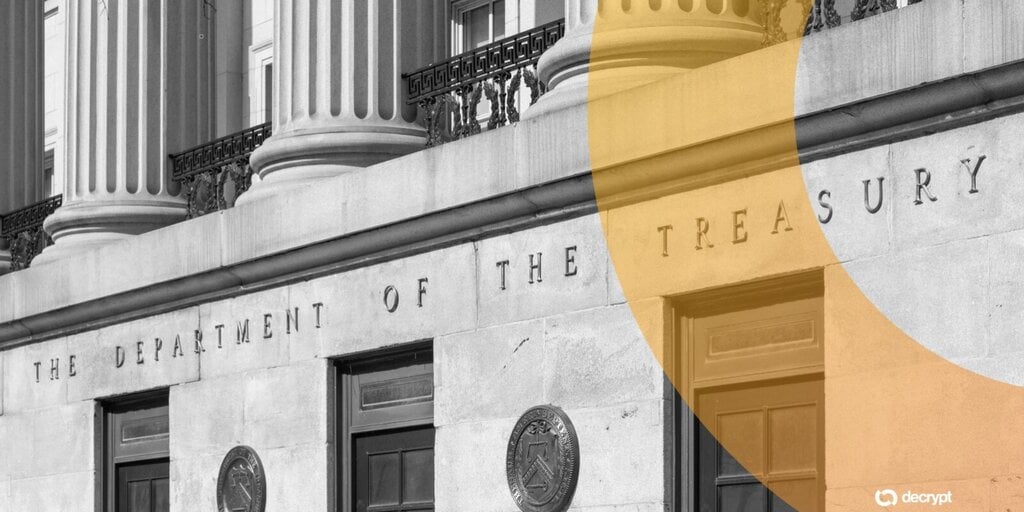
The US Treasury’s Financial Crimes Enforcement Network (FinCEN) has withdrawn two proposed rules affecting its enforcement of crypto companies. The agency rescinded a December 2020 proposal that would have imposed recordkeeping, verification, and reporting requirements for transactions involving unhosted wallets. FinCEN also withdrew an October 2023 rule targeting convertible virtual currency mixing services. In a Monday notice, the agency stated that the mixer rule could have a chilling effect on legitimate activity and place a large reporting burden on covered financial institutions. FinCEN attributed the withdrawal to the Trump Administration’s deregulatory agenda and efforts to ensure digital asset regulations are fit-for-purpose.
This action aligns with recent moves by other US agencies overseeing crypto assets under the current administration's policy framework. Earlier in the day, Commodity Futures Trading Commission Chair Michael Selig announced that the CFTC was using existing statutory authorities to propose rules allowing crypto companies to operate within its purview without additional congressional authority. Industry advocacy groups, including the Crypto Council for Innovation, praised FinCEN’s decision, describing it as positive for the digital asset ecosystem.
The withdrawal of these specific proposals signals a decisive shift in US regulatory posture toward self-custody infrastructure and privacy tools. By removing the requirement for extensive reporting on unhosted wallets, FinCEN alleviates compliance friction for exchanges and custodians that previously faced uncertainty regarding their obligations when interacting with non-custodial addresses. This reduction in administrative overhead may lower barriers to entry for institutional players who were hesitant to engage with protocols utilizing mixers or complex privacy layers due to potential legal exposure. The explicit citation of 'legitimate activity' suggests a regulatory acknowledgment that privacy-enhancing technologies are not inherently illicit, potentially encouraging broader adoption of compliant privacy solutions within the regulated market structure.
However, the removal of formal guidance does not eliminate underlying anti-money laundering risks associated with mixing services. Market participants must now navigate a landscape where enforcement relies more heavily on general statutes rather than specific procedural mandates. While the deregulatory agenda aims to streamline operations, the absence of clear boundaries for what constitutes acceptable use of mixers could lead to inconsistent interpretations by different financial institutions. Stakeholders should monitor whether future legislative actions or judicial rulings fill this regulatory vacuum, as the lack of precise definitions may still expose firms to retroactive scrutiny if illicit flows are traced through previously permitted channels.