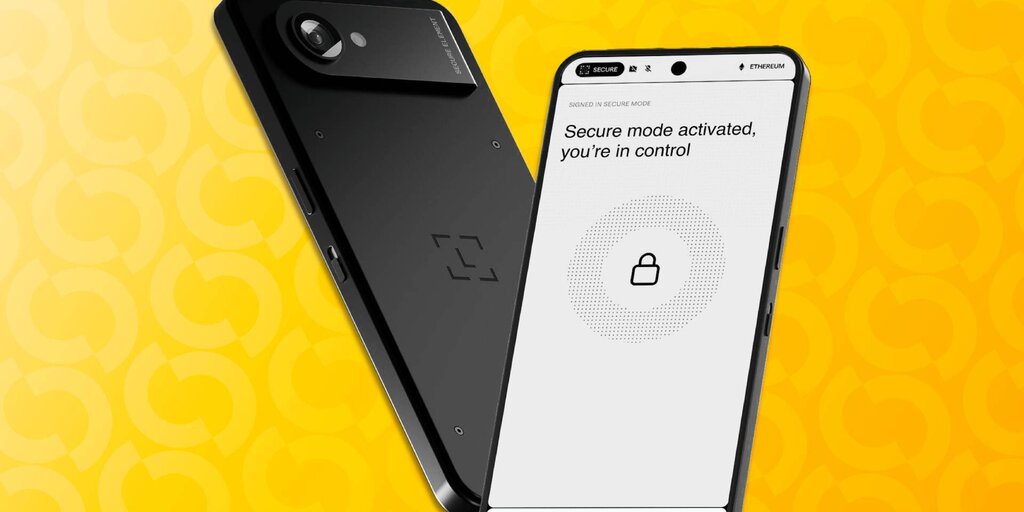
Ledger has unveiled Atom, a new hardware wallet priced at $849, designed to enhance security against physical tampering and malicious implants. The announcement follows the company’s confirmation that wallets sold through an Asian reseller contained compromised hardware. Atom features a smartphone-like interface that isolates Android applications from sensitive cryptographic operations, aiming to prevent the specific implant attacks observed in the recent incident.
The device includes advanced protections intended to detect tampering even when powered off, according to Ledger. The French manufacturer stated that shipping is expected to begin in summer 2027. This timeline indicates a significant lead time between product introduction and market availability, allowing for further development or supply chain preparation before distribution.
Ledger positions Atom as a response to vulnerabilities exposed by third-party distribution channels. By separating general-purpose apps from wallet functions, the design seeks to mitigate risks associated with complex software interactions on hardware devices. The $849 price point places it in the premium segment of the crypto hardware market, targeting users willing to pay for enhanced physical security features.
The launch of Atom represents a strategic pivot toward higher-end, specialized hardware in response to supply chain integrity failures. By explicitly linking the new device's architecture to the prevention of recent implant attacks, Ledger attempts to rebuild trust among users who may have been alarmed by the compromise of previously sold units. However, the isolation of Android apps from wallet operations suggests a move away from the broader 'smart contract' or dApp ecosystem integration seen in some competitors, prioritizing security over functionality breadth.
A critical consideration for institutional and retail adoption is the extended wait until summer 2027. This gap leaves current users vulnerable to potential future supply chain exploits without immediate access to the promised mitigation technology. Furthermore, the high entry cost of $849 may limit widespread adoption, confining the device to a niche of high-value asset holders rather than serving as a universal security upgrade for the existing user base.