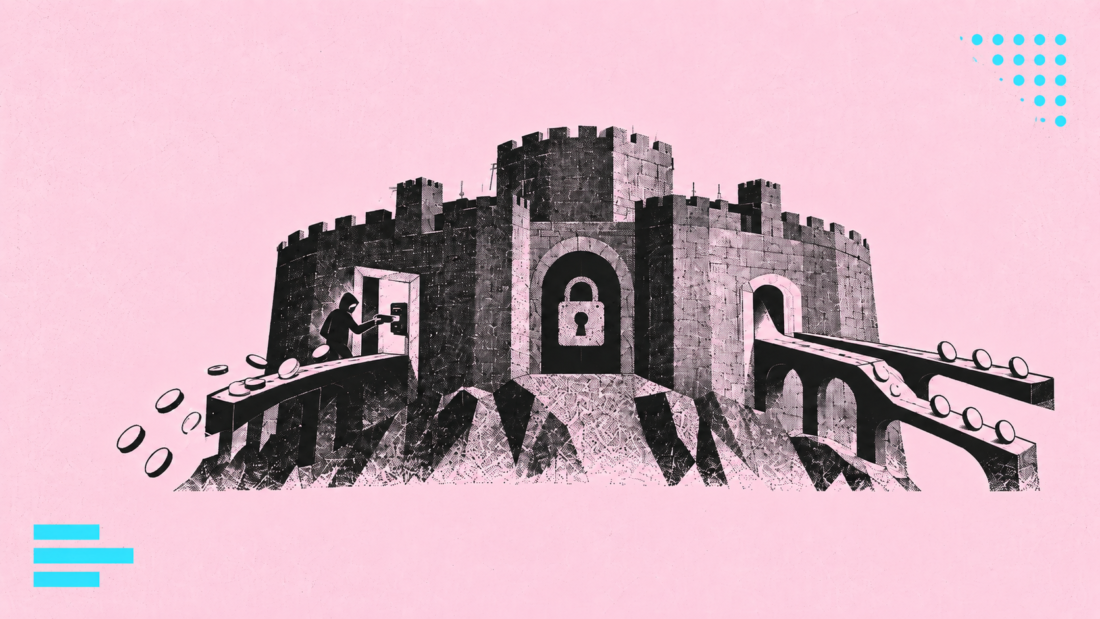
Tether executed a temporary blacklist against four THORChain vault addresses on the TRON network, resulting in the freeze of approximately 1.45 million USDT. The action forced THORChain to suspend specific functions immediately. However, Tether reversed the decision after roughly three hours, allowing all affected addresses to resume normal operations. Notably, the stablecoin issuer has not provided any public explanation for the initial freeze or the subsequent reversal.
THORChain co-founder Chad Barraford confirmed that the project received no prior notice regarding the asset seizure. While the four primary vaults were restored, nineteen other addresses remain blacklisted by Tether without further clarification. This incident underscores the operational risks decentralized finance protocols face when interacting with centralized stablecoin issuers, particularly concerning communication transparency and unilateral control over on-chain assets.
The abrupt freezing and subsequent release of funds highlight a critical asymmetry in power between centralized stablecoin issuers and decentralized infrastructure. By exercising unilateral control over vault addresses without prior warning, Tether demonstrated its ability to disrupt DeFi operations instantly. This lack of transparency creates significant uncertainty for protocol developers and users who rely on these assets for liquidity and settlement, challenging the notion of permissionless access within blockchain ecosystems.
Institutional adoption may face heightened scrutiny as market participants assess the operational risks associated with such interventions. The persistence of nineteen blacklisted addresses suggests ongoing compliance or security concerns that remain unresolved. Stakeholders must monitor whether this event triggers regulatory discussions regarding the boundaries of issuer authority versus decentralized protocol autonomy, potentially influencing future custody and integration strategies.